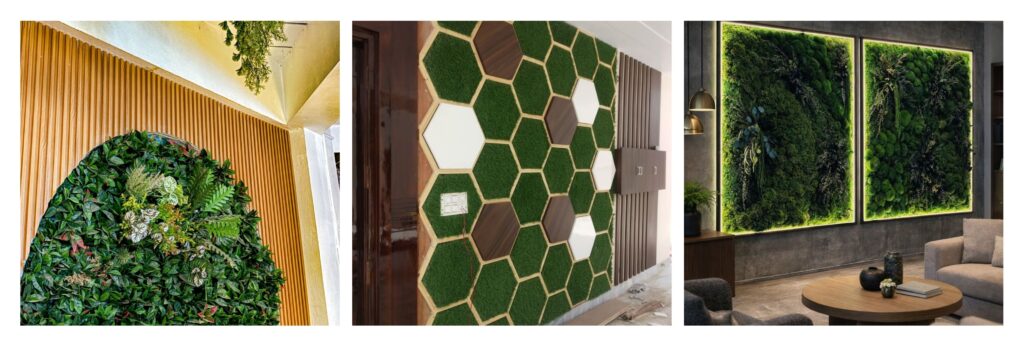
Why Your Home Feels Incomplete (And How Greenery Fixes It Instantly)

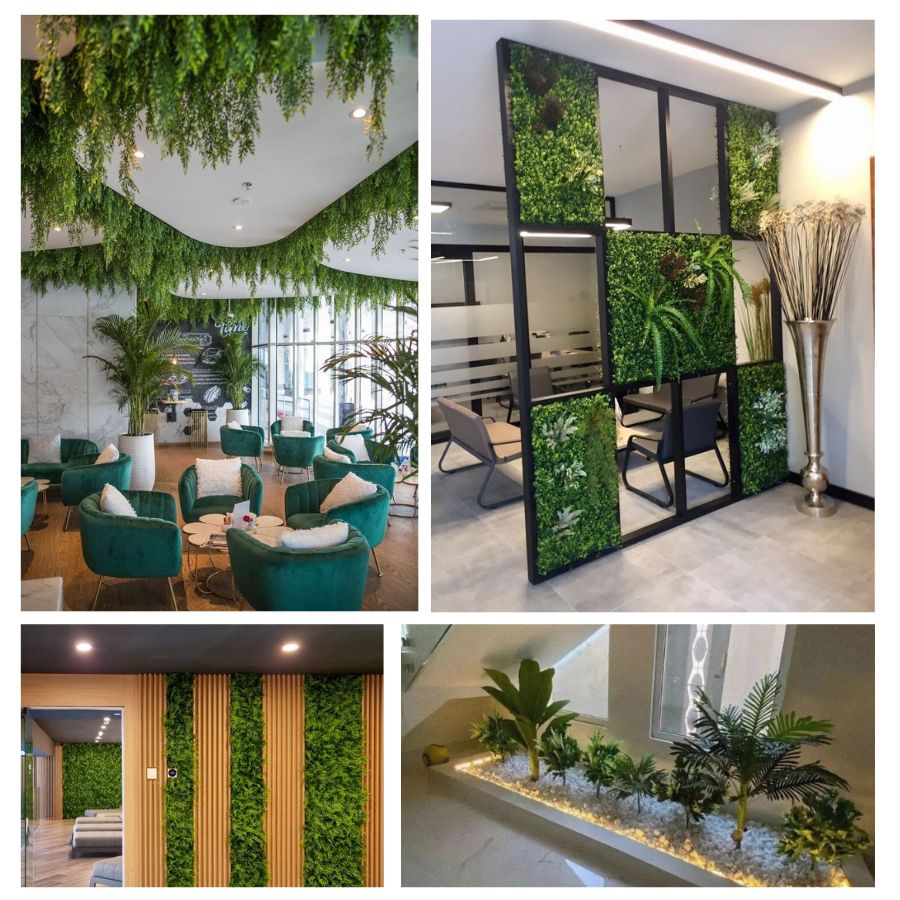
You’ve arranged the furniture. Chosen the right colors. Invested in décor pieces that should, in theory, make your home feel perfect. And yet… something is missing.
It’s subtle, but you feel it.
The space looks good—but it doesn’t feel alive.
This is one of the most common challenges in interior design. Homes can be stylish, expensive, even luxurious—and still feel incomplete. The missing piece isn’t always another piece of furniture or a new paint color.
More often than not, it’s greenery.
The Hidden Reason Your Home Feels “Off”
A room without greenery can feel:
- Flat
- Cold
- Overly structured
- Lacking Personality
Modern interiors are often dominated by hard elements—walls, tiles, glass, metal, and wood finishes. While these materials create structure, they rarely create life.
Greenery introduces something entirely different
- Movement
- Softness
- Artificial Beauty
- A sense of calm
Without it, your space may look complete—but it won’t feel complete.
Why Greenery Works (When Other Décor Doesn’t)
You might wonder—why not just add more art, lighting, or furniture?
Here’s the difference:
1. Greenery Adds Life, Not Just Style
Most décor items are static. Plants—whether natural or high-quality artificial—mimic life. They bring a sense of growth and energy into a space.
2. It Softens Everything
Sharp edges, straight lines, and rigid layouts dominate most interiors. Greenery naturally breaks this pattern, making spaces feel more relaxed and less mechanical.
3. It Connects Indoors to Nature
Humans are wired to respond to nature. Even a small touch of green can make an environment feel more comfortable and less artificial.
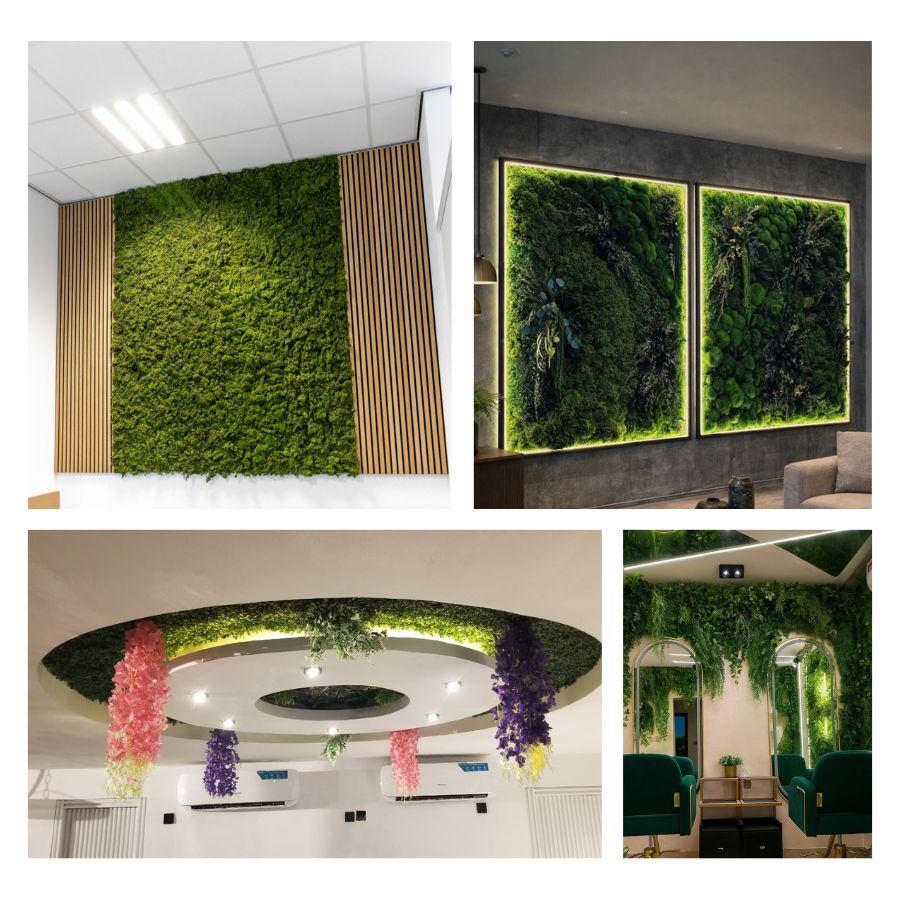
The Signs Your Home Needs Greenery
If you’re unsure whether greenery is what your space is missing, look for these signs:
- Your room looks “empty” despite having furniture
- The space feels too formal or stiff
- There’s no clear focal point
- The design lacks warmth
- It doesn’t feel relaxing or inviting
If you relate to even one of these, greenery could be the missing link.
Where to Add Greenery for Maximum Impact
Not all placements are equal. Strategic positioning is what makes greenery truly effective.
1. Empty Corners
Corners are often neglected, yet they’re perfect for greenery.
A well-placed plant can:
- Fill the void
- Add height
- Balance the room
2. Coffee Tables and Side Tables
Small greenery pieces work beautifully here.
They:
- Add detail without clutter
- Create visual interest
- Make the space feel curated
3. Entryways
First impressions matter.
Adding greenery near your entrance instantly makes your home feel:
- Welcoming
- Fresh
- Thoughtfully designed
4. Shelves and Wall Units
Greenery breaks the monotony of books and decorative objects.
It adds contrast and keeps shelves from feeling overly rigid.
5. Workspaces
Whether it’s a home office or study area, greenery can:
- Improve focus
- Reduce visual fatigue
- Make the space more enjoyable to use
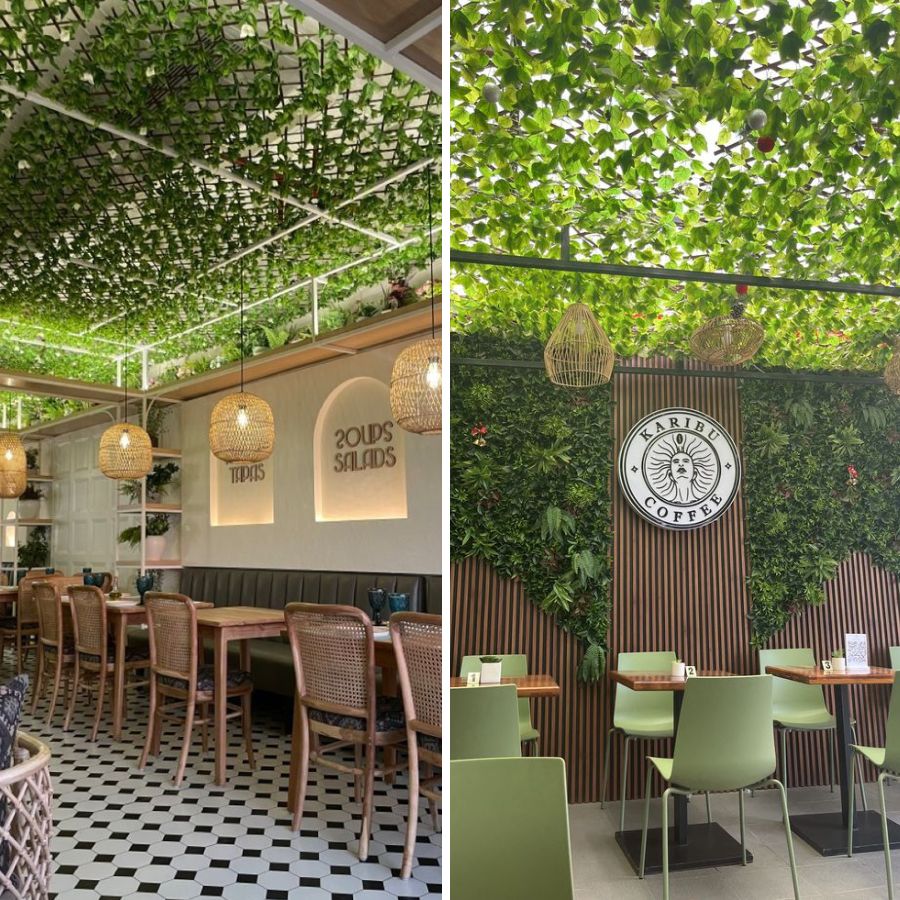
Choosing Between Real and Artificial Greenery
This is a common dilemma—and the answer depends on your lifestyle.
Real Plants
They’re beautiful and authentic, but they require:
- Regular watering
- Proper lighting
- Ongoing care
If neglected, they can quickly lose their appeal.
Artificial Greenery
Modern artificial plants have evolved significantly.
High-quality options:
- Look incredibly realistic
- Require zero maintenance
- Stay perfect all year round
They’re ideal for:
- Busy individuals
- Low-light spaces
- Consistent, polished interiors
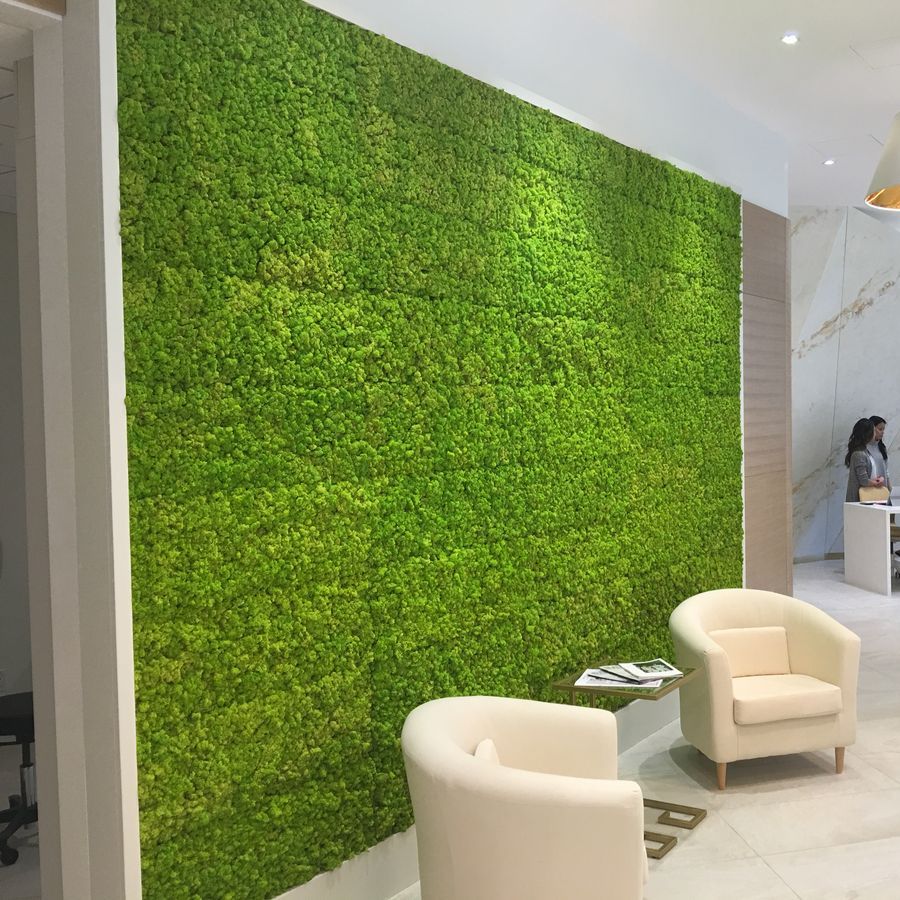
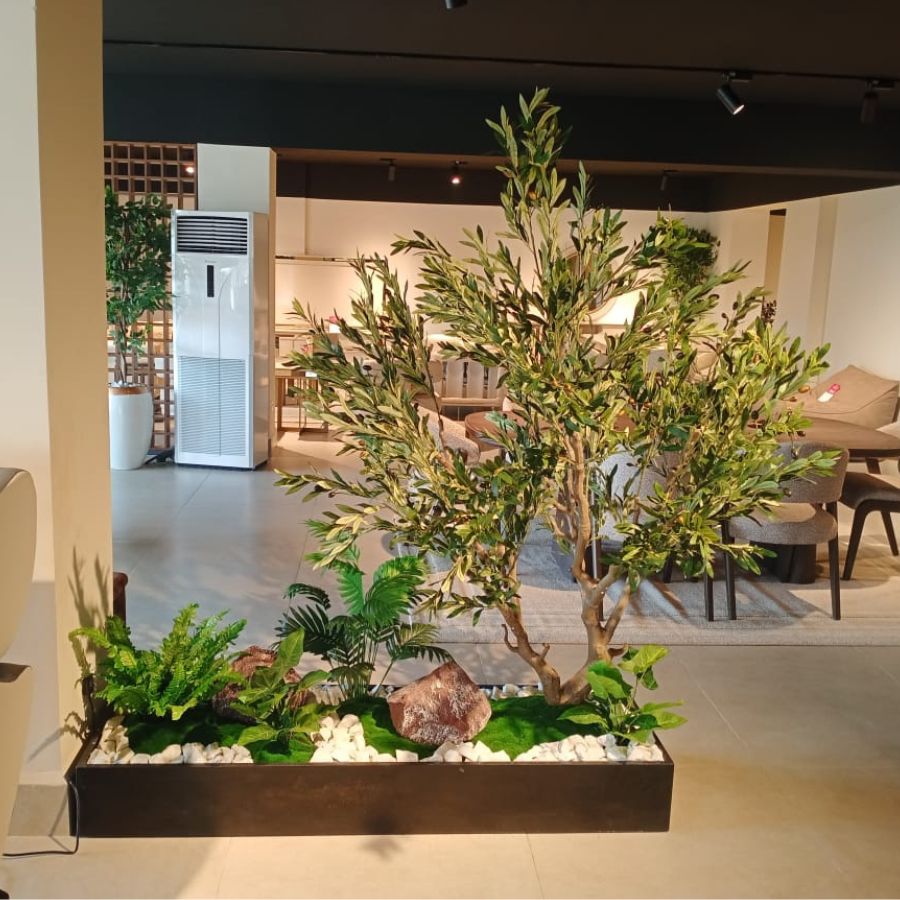
Creating a Home That Feels Complete
A complete home isn’t just about how it looks—it’s about how it feels.
When greenery is used intentionally, it:
- Brings balance to your design
- Enhances your mood
- Elevates the overall aesthetic
It fills the invisible gap that furniture and décor alone cannot.